Phygital gifts’ pros and cons are something you may want to understand before choosing a modern giving presentation today.
You may notice that many people now want gifts that feel personal, interactive, and memorable. A normal traditional gift can feel simple, while a fully digital gift may feel less emotional.
Because of this, many brands and creators now offer phygital gifts, also called hybrid gifts or digital + physical gifts.
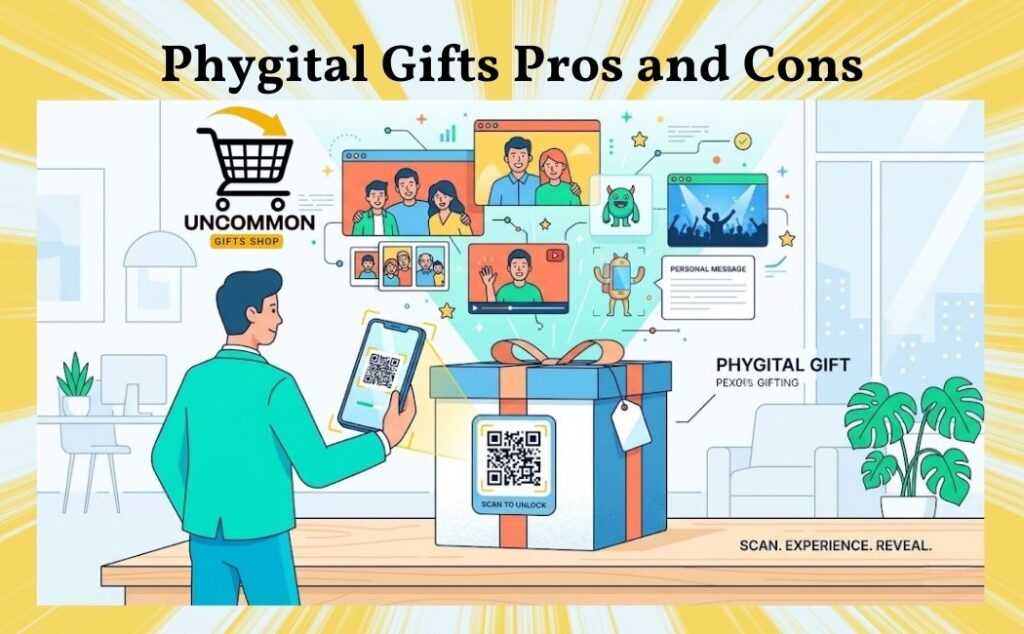
A phygital gift combines a real item with a digital experience. Phygital fosters stronger emotional bonds. For example, you may give a greeting card with a QR code video message, a photo frame connected to an online memory gallery, a smart photo frame, or even jewelry with a digital certificate or NFT collectible.
Some gifts use QR code gifts, NFC tag gifts, or augmented reality (AR) experiences. When the receiver scans or taps the gift, they can unlock photos, videos, digital memories, or interactive content stored on a digital memory platform.
This new style of interactive gifting is growing fast because it mixes a physical keepsake with a shareable digital experience. It is part of the bigger trend of smart gifts, personalized digital gifts, and tech-enabled gifting. Businesses also use these phygital experiences for corporate gifting and brand engagement.
But before you choose one, it is important to understand the pros and cons of phygital gifts. Some people love the interactive gift experience, while others prefer simple traditional gifts without technology.
In this guide, you will know what phygital gifts are, how QR codes, NFC tags, and augmented reality gifts work, the benefits and drawbacks of hybrid gifting, and when these digital + physical gifts are the best choice for you. This will help you decide if phygital gifts are really worth it for your next special occasion.
What Are Phygital Gifts?
A phygital gift is a gift that combines a physical item with a digital experience. The word phygital comes from two words: physical and digital. This means the gift has something you can hold and something you can explore on your phone or online.
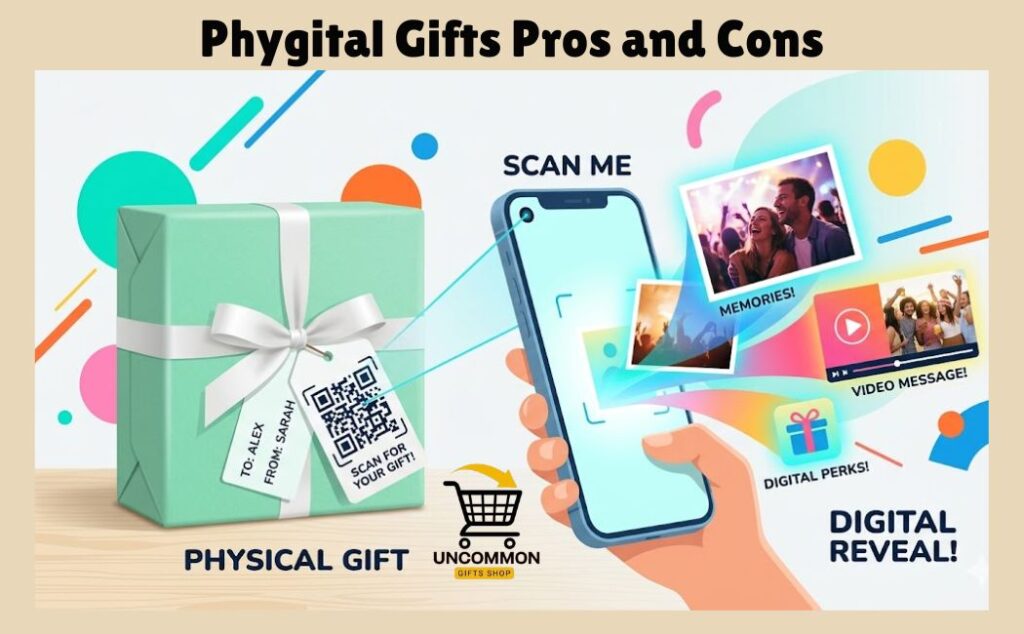
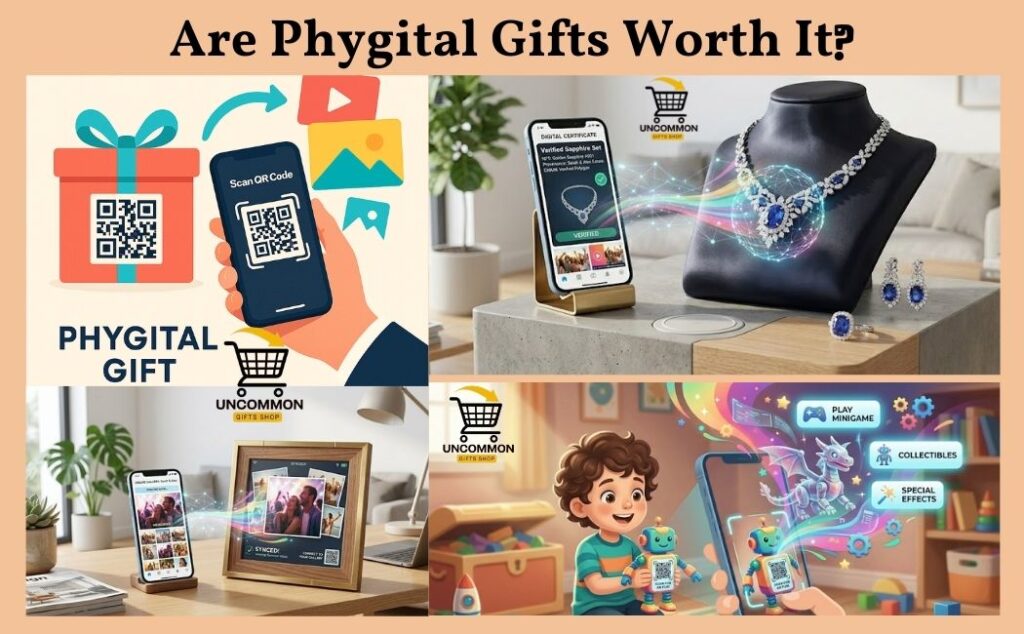
You may already see many examples of hybrid gifts today. A simple greeting card may include a QR code that opens a video message. A photo frame may connect to an online memory gallery where you can see more photos and videos. Some smart gifts even use NFC tags or augmented reality (AR) to create an interactive moment when you scan the item.
The goal of digital + physical gifts is to turn a normal present into an interactive gift experience. Instead of only giving a physical object, you also give digital memories, stories, or messages that the receiver can unlock.
For example, a QR code gift can open a private page with photos, videos, and voice messages. An NFC tag gift lets the receiver tap their phone on the object to see hidden content. Some augmented reality gifts even show animations or virtual scenes when the item is scanned with a camera.
Many people like these personalized digital gifts because they keep both a physical keepsake and a shareable digital memory. This is why interactive gifting, tech-enabled gifts, and phygital experiences are becoming popular for birthdays, anniversaries, and even corporate gifting.
In simple words, a phygital gift turns a normal present into a multi-layer experience. You give something real to hold, and at the same time, you give a digital story, message, or memory that makes the gift feel more personal.
How Phygital Gifts Work?
You may wonder how a phygital gift actually connects a physical item with a digital experience. The idea is simple. The real gift includes a small technology trigger. When you scan or tap it with your phone, it opens digital content such as photos, videos, messages, or interactive memories.
Here are the most common ways phygital gifts work.
1. QR Code Gifts
A QR code gift is one of the easiest types of digital + physical gifts. You place a small QR code on the gift. It may be on a greeting card, photo frame, jewelry box, or memory book. When the receiver scans the code with their phone camera, it opens a page with videos, photos, or a personal message. This method is simple and works on almost every smartphone.
2. NFC Tag Gifts
Some smart gifts use NFC tags. A (Near Field Communication) NFC tag is a small chip hidden inside the gift. When the receiver taps their phone on the item, the phone opens digital content automatically.
For example, NFC tag Gifts:
- Keychains can open a memory video
- A bracelet can show a love message
- A gift box can unlock a digital photo album
This creates a smooth interactive gift experience.
3. Augmented Reality(AR) Gifts
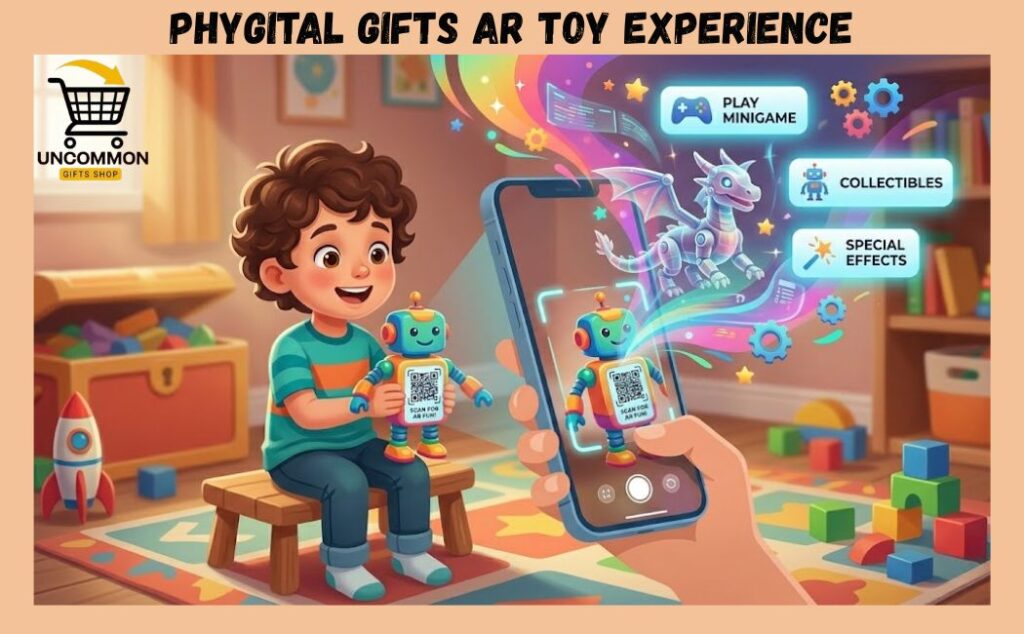
Some phygital experiences use augmented reality (AR). With AR gifts, the receiver scans the object using a phone camera. The screen then shows 3D animations, virtual messages, or interactive scenes on top of the real item.
For example Augmented Reality(AR) Gifts:
- A toy that shows an animated character
- A postcard that displays a virtual birthday message
- Product package that reveals a hidden digital story
This makes the gift feel exciting and modern.
4. Digital Memory Platforms
Many personalized digital gifts connect to a digital memory platform. This is a private online page where you can store:
- Photos
- Videos
- Voice messages
- Personal stories
The QR code or NFC tag links directly to that page. The receiver can visit it anytime and even share it with friends or family.
Pros of Phygital Gifts: Smart Giving Uses Digital Technology Augmentation.
When you understand the phygital gifts’ pros and cons becomes easier to decide if this modern gift style is right for you. Many people like phygital gifts because they combine a physical keepsake with a digital experience, which makes the gift feel more meaningful and interactive.
Below are some of the biggest advantages of hybrid gifts.
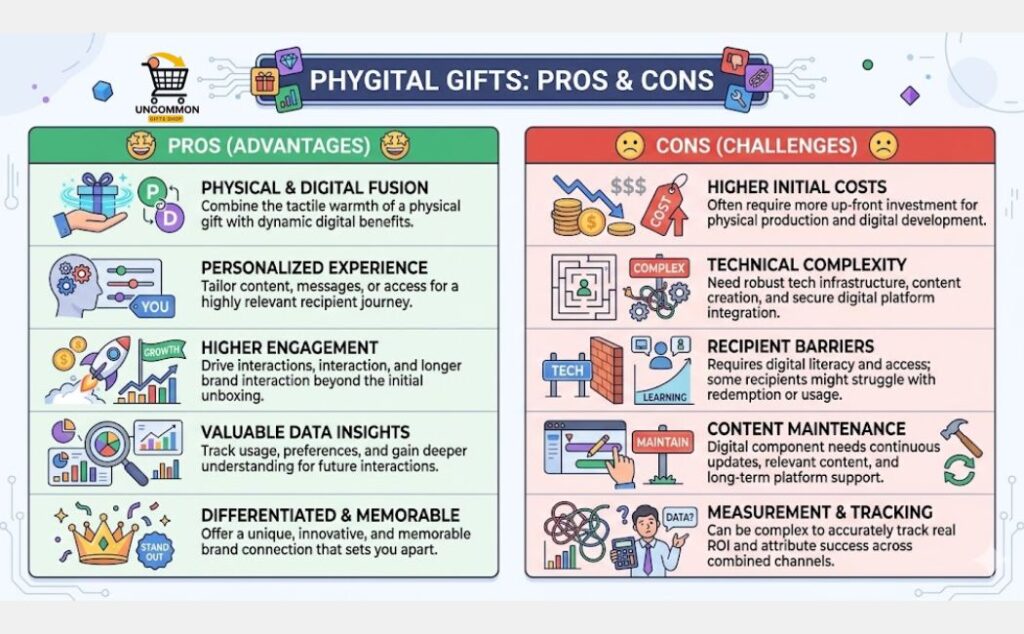
| Benefit | Why It Is Valuable |
| More personal | You can add photos, videos, voice messages, or digital memories that make the gift feel special. |
| Interactive experience | The receiver can scan a QR code, tap an NFC tag, or open an AR experience to unlock hidden content. |
| Memorable gift | A mix of digital + physical gifts creates a deeper emotional connection. |
| Shareable memories | The digital content can be shared with friends and family online. |
| Modern and unique | Tech-enabled gifts feel creative and different from traditional presents. |
A. Phygital Gifts Pros and Cons: More Personal and Emotional
A normal gift may only be an object. But phygital gifts allow you to attach a personal story. For example, a QR code greeting card may open a video message, a digital photo album, or a voice recording. This turns a simple present into a memorable experience.
B. Interactive Gift Experience
Many interactive gifts invite the receiver to discover something hidden. When they scan a QR code, tap an NFC tag, or open an augmented reality gift, they unlock digital content. This moment of discovery makes the gift more exciting.
C. Physical Keepsake With Digital Memories
One strong benefit of digital + physical gifts is that you get both. The physical item becomes a lasting keepsake. At the same time, the digital memory platform stores photos, videos, and messages that can be viewed anytime.
D. Easy to Share With Others
Phygital Gifts Pros and Cons Phygital combines digital with physical to make retail interactions more immersive with powerful next-gen technologies like AR, VR, and AI. Because the digital content lives online, the receiver can easily share it.
They may send the memory page, video message, or AI photo gallery to friends and family. This makes the gift experience feel bigger and more connected.
E. Creative and Modern Gift Style
Phygital experiences are part of the new trend of smart gifts and personalized digital gifts. Many people enjoy them because they feel modern, creative, and different from traditional gifts. Stronger customer relationships that Phygital creates more touchpoints and interaction opportunities, leading to deeper engagement. For birthdays, anniversaries, or even corporate gifting, this kind of gift can stand out and feel memorable.
Cons of Phygital Gifts: Do Phygital Gifts Stand out and Create Lasting Value?
While many people enjoy the benefits, understanding the phygital gifts’ pros and cons also means looking at the possible drawbacks. A phygital gift mixes a physical item with a digital experience, but this technology can sometimes create small challenges for the receiver.
Below are some common disadvantages of hybrid gifts.
| Drawback | Why It Can Be a Problem |
| Technology needed | Some people may not know how to scan a QR code or use NFC. |
| Internet required | Many digital features only work with an internet connection. |
| Higher cost | Some digital + physical gifts cost more than traditional gifts. |
| Platform dependency | Digital memories may depend on a website or app staying active. |
A. Technology Can Be Confusing for Some People
Not everyone feels comfortable with tech-enabled gifts. For example, older users or people who rarely use smartphones may find it difficult to scan a QR code gift or use an NFC tag gift. If the receiver prefers simple presents, a traditional gift might feel easier and more enjoyable.
B. Internet Connection May Be Needed
Many phygital experiences open a digital memory platform, video, or online gallery. These features often require an internet connection. If the receiver does not have strong internet access at that moment, the interactive gift experience may not work immediately.
C. Hybrid Gifts Can Cost More
Some personalized digital gifts require special tools such as QR code integration, NFC tags, augmented reality features, or custom digital pages. Because of this extra technology, the price can sometimes be higher than a simple gift.
D. Digital Platforms May Change Over Time
Another limitation of digital + physical gifts is that the digital content often depends on a website, platform, or app. If that service stops working in the future, the digital part of the gift may not be accessible anymore. The physical keepsake will still remain, but the digital memory could disappear if the platform is not maintained.
However, despite these limitations, many people still enjoy phygital gifts because the interactive memories and personalized experiences make the gift feel more meaningful. Understanding both sides helps you decide if this modern gifting style fits the person you are buying for.
Phygital Gifts vs Traditional Gifts: Are Phygital Gifts Worth It? Which Are You Need to Know?
When deciding whether to choose a phygital gift or a traditional gift, it helps to compare them side by side. Understanding the differences can make it easier for you to pick the right gift for your occasion.
| Feature | Traditional Gifts | Phygital Gifts |
| Physical item | Yes | Yes |
| Digital experience | No | Yes |
| Personal interaction | Medium | High |
| Shareable memories | Limited | Yes |
| Unique and modern | Usually classic | Modern and interactive |
Key Differences: Phygital Gifts vs Traditional Gifts
1. Physical Keepsake vs Digital Experience: A traditional gift gives the receiver something to hold, like a book, toy, or jewelry. A phygital gift adds a digital layer, like a video message, AR animation, or memory page. This makes the gift more interactive and memorable.
2. Interaction and Surprise: With traditional gifts, the surprise ends when the gift is opened. With phygital gifts, the receiver can scan, tap, or unlock content, creating multiple moments of excitement.
3. Shareable Memories: Traditional gifts are usually personal and physical. Phygital gifts allow the receiver to share digital memories with friends or family online, extending the joy beyond the initial gift moment.
4. Modern Appeal: If you want a gift that feels innovative and tech-friendly, phygital gifts stand out. They are especially popular for birthdays, anniversaries, corporate gifts, and long-distance gifting, where adding a digital experience creates a stronger emotional connection.
Best Occasions for Phygital Gifts
Knowing the phygital gifts’ pros and cons is useful, but it also helps to understand when these hybrid gifts work best. Certain occasions make digital + physical gifts feel extra special because they combine keepsakes with interactive memories.
Here are the top occasions where phygital gifts shine:
1. Birthdays: A unique birthday gift with a QR code video message or an AR experience adds a personal touch that makes the day unforgettable. You can give a physical keepsake like a mug, photo frame, or toy, and let the digital content tell a story or show a special message.
2. Anniversaries and Weddings: Unique idea with couples’ love gifts that mix the tangible and digital. For example, a photo frame with an online gallery or jewelry with a digital certificate/NFT creates both a lasting physical memory and a shared digital experience they can revisit together.
3. Long-Distance Relationships: When you cannot be there in person, a phygital gift bridges the distance. A simple gift box with a QR code can open a personalized video or memory page, making the recipient feel close to you even from far away.
4. Corporate Gifting: Businesses increasingly use phygital gifts to impress clients or reward employees. A customized gift with digital features like interactive messages or branded AR experiences can leave a lasting impression and show thoughtfulness beyond traditional corporate presents.
5. Memory Keepsakes: Gifts that celebrate special memories like a milestone birthday, graduation, or family event work well as phygital gifts. The physical item can be displayed or kept, while the digital content stores photos, videos, and stories for long-term enjoyment.
However, phygital gifts are ideal for any occasion where you want to create a lasting impression. They work best when the receiver enjoys interactive experiences, appreciates personalized memories, and is comfortable with digital technology.
Who Should Choose Phygital Gifts?
Understanding the phygital gifts’ pros and cons also means knowing who will truly enjoy these hybrid gifts. Not every gift receiver prefers technology or interactive experiences, so it’s important to match the gift to the person.
Best Fit for Phygital Gifts
1. Tech-Friendly Users: People who regularly use smartphones, tablets, or computers will find QR codes, NFC tags, and AR experiences easy and fun. They enjoy unlocking digital surprises and sharing memories online.
2. Those Who Appreciate Personalized Experiences: If your receiver loves thoughtful, customized gifts, phygital gifts give them a unique way to feel special. Adding videos, photos, voice messages, or digital stories makes the gift more meaningful than a traditional item alone.
3. Families and Couples in Long-Distance Relationships: For people separated by distance, a phygital gift bridges the gap. Sending a physical keepsake with a digital message can create an emotional connection, even when you can’t be there in person.
4. Businesses and Professionals: Companies can use phygital experiences for corporate gifting, client appreciation, or employee rewards. Interactive gifts make a brand feel innovative and thoughtful.
5. Who May Prefer Traditional Gifts
- People who prefer simple, no-tech gifts
- Older individuals or those not comfortable with digital tools
- Recipients who might find scanning QR codes or using apps frustrating
So, phygital gifts are perfect if you want to combine a physical keepsake with interactive digital memories. But if your receiver prefers simplicity or is uncomfortable with technology, a traditional gift may be a better choice.
Popular Types of Phygital Gifts
Now that you understand the phygital gifts’ pros and cons and who they suit, it’s helpful to see real examples. These are the most popular types of digital + physical gifts that people love today.
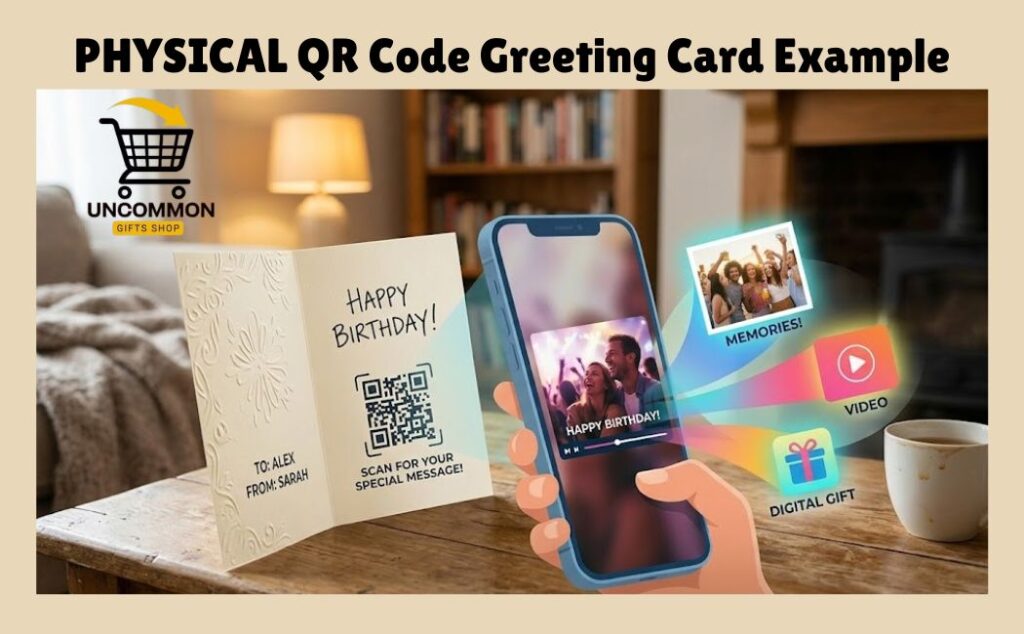
1. QR Code Greeting Cards
A greeting card may look normal, but with a QR code, it unlocks hidden digital content.
- Video messages
- Voice recordings
- Animated greetings
- Personalized photo albums
This turns a simple card into an interactive and memorable experience.
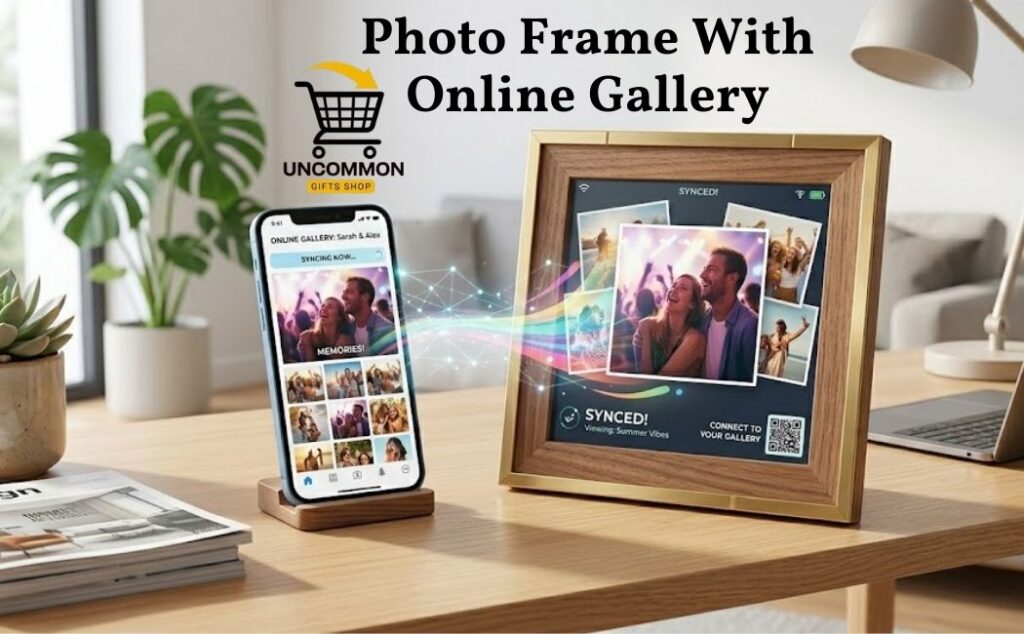
2. Photo Frames with Online Galleries
A physical photo frame can be paired with a digital gallery.
- Upload multiple photos and videos to a private online page
- Link it via QR code or NFC tag
- The recipient can view or share the memories anytime
This combines a physical keepsake with shareable digital memories.
3. Augmented Reality (AR) Toys
Some toys and collectibles now include AR experiences.
- Scan the toy with a smartphone camera
- Unlock animations, games, or virtual stories
- Makes the gift fun, tech-savvy, and interactive
Perfect for kids or tech-loving adults.
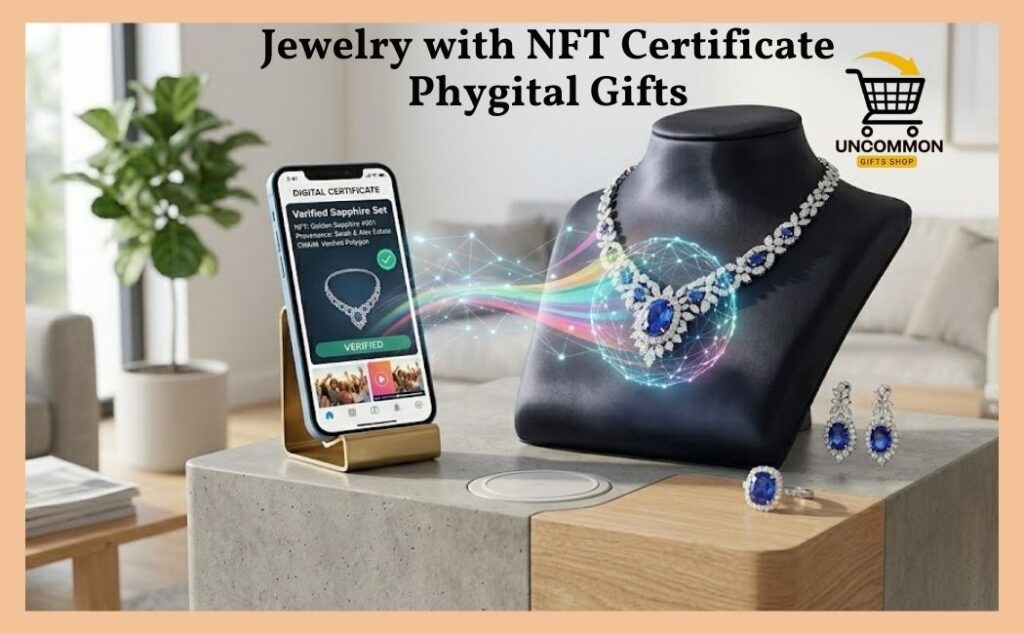
4. Jewelry with Digital Certificates or NFTs
Jewelry, watches, or collectibles can include digital proof of ownership or a certificate.
- Some even link to an NFT (Non-Fungible Token)
- Gives the physical gift added value and uniqueness
- Creates a blend of tangible luxury and digital innovation
5. Smart Gifts and Digital Keepsakes
Other phygital gifts include:
- Smart keychains or gadgets with hidden digital messages
- Memory books that open online content when scanned
- Custom tech gifts for corporate branding or personalized storytelling
However, phygital gifts come in many forms. They all combine a physical object you can hold with a digital experience you can unlock. This makes them personal, memorable, and interactive, which is why they are growing so popular for birthdays, anniversaries, long-distance relationships, and corporate gifting.
Are Phygital Gifts Worth It?
After exploring the phygital gifts’ pros and cons and seeing the popular types, you may be wondering: Are these gifts really worth it?
The answer depends on your goals, the recipient, and the occasion. Phygital gifts are designed to combine a physical keepsake with a digital experience, making them more personal, interactive, and memorable than a traditional gift.
Why Phygital Gifts Are Worth It?
1. Create Lasting Memories: The digital part of the gift, like videos, photos, or AR experiences, can be revisited anytime. The physical item serves as a keepsake. Together, they create a gift that lasts beyond the moment it’s opened.
2. Offer Interactive Experiences: Unlike a standard gift, a phygital gift allows the recipient to scan, tap, or unlock content, making the unwrapping process more exciting and engaging.
3. Perfect for Long-Distance Gifting: If you can’t be there in person, a QR code gift, digital memory page, or AR experience can make the recipient feel close to you, even from afar.
4. Stand Out for Special Occasions: Whether it’s a birthday, anniversary, or corporate event, a hybrid gift shows extra thoughtfulness and creativity, leaving a lasting impression.
When Phygital Gifts Pros and Cons Might Not Be Worth It?
1. Tech Limitations: Some recipients may not be comfortable with smartphones, scanning codes, or using apps. The digital part may confuse them.
2. Internet Dependency: Most digital content needs an internet connection. If the recipient has limited access, the experience may be incomplete.
3. Higher Cost: Some phygital gifts can cost more than traditional gifts due to tech features, customization, and platform integration.
So, Phygital gifts are worth it if you want to give something interactive, memorable, and personal. They are especially effective for tech-friendly users, long-distance relationships, and occasions where you want to stand out.
However, if your recipient prefers simple, no-tech gifts, or if budget and internet access are concerns, a traditional gift may be a better choice. The key is to match the gift to the recipient’s comfort with technology, personality, and the occasion.

Future of Phygital Gifts
Understanding the phygital gifts’ pros and cons is important, but knowing where this trend is headed can help you stay ahead and choose gifts that are modern, memorable, and innovative. The future of phygital gifts looks exciting because technology and personalization are constantly improving. Here’s what to expect:
1. AI-Generated Memories
Soon, artificial intelligence (AI) platforms may help create custom digital content for your gifts.
- AI engines could generate old removal personalized video contents, animations, or old photo compilations
- Each gift could be unique, adapting to the recipient’s preferences
- Makes digital + physical gifts even more personal and creative
2. Augmented Reality (AR) and Virtual Reality (VR) Gifts
AR and VR will continue to expand in gifting:
- AR gifts: Items that reveal interactive animations or stories when scanned
- VR gifts: Experiences where the recipient can step into a digital memory or immersive scene
These make hybrid gifts more engaging and exciting than ever.
3. Digital Collectibles and NFTs
Many gifts may include digital certificates, collectibles, or NFTs linked to physical items:
- Jewelry, artwork, or toys can have a digital version with ownership proof
- Adds uniqueness and long-term value to the gift
- Perfect for tech-savvy users and collectors
4. Personalized Smart Gifts
The future of phygital gifts also focuses on smart technology:
- Smart photo frames or gadgets that automatically update content
- Personalized apps that track special memories over time
- Interactive gifts that evolve as the recipient uses them
Conclusion: Why Phygital Gifts Pros and Cons Matter for You?
By understanding these trends, you can choose gifts that are not only memorable today but also future-proof. It’s for a birthday, anniversary, long-distance relationship, or corporate gifting, staying aware of these innovations ensures your phygital gift stands out and creates lasting value.
The future of digital + physical gifts is bright, interactive, and personal. The gifts you give today could evolve into experiences that last a lifetime.
Relevant article: Phygital Gift Ideas: Unique Giving Blend Physical and Digital Experiences.
FAQs: Are Phygital Gifts Worth It? Pros and Cons You Need to Know.
1. What is a phygital gift?
A phygital gift is a gift that combines a physical item with a digital experience. Phygital gifts, a blend of “physical” and “digital,” are items that combine a tangible product with a digital experience, such as a vinyl record with a digital download, a smart wearable with an app, or a physical card linking to a personalized video. It makes the gift more interactive, personal, and memorable.
2. Are phygital gifts expensive?
Some phygital gifts can cost more than traditional gifts because they include technology, customization, or digital platforms. However, there are many options at different price ranges, and the added personal and interactive experience often makes the higher cost worthwhile.
3. How do QR code gifts work?
A QR code gift has a small code on the physical item. When the recipient scans the code with a smartphone, it opens digital content such as videos, photos, or interactive messages. This combines a physical gift with a digital experience.
4. Are phygital gifts safe to use?
Yes, phygital gifts are safe if you use trusted platforms. Most QR codes, NFC tags, and AR features simply link to secure digital content. Always double-check the source and avoid unverified apps or websites.
5. Can businesses use phygital gifts for corporate gifting?
Absolutely! Many businesses now use phygital experiences to impress clients, reward employees, or promote their brand. A hybrid gift with interactive messages or AR experiences can leave a lasting impression and feel more thoughtful than traditional corporate gifts.
6. Who should receive phygital gifts?
Phygital gifts are best for Tech-friendly users who enjoy smartphones or apps, and people who appreciate personalized and interactive experiences. Long-distance relationships where digital content can connect you with corporate clients or employees for modern, innovative gifting. They may not be ideal for those who prefer simple, no-tech gifts.